
How the World Economy Changed Since 1992
China now anchors the global economy, while India’s rise is reshaping the balance of economic power.
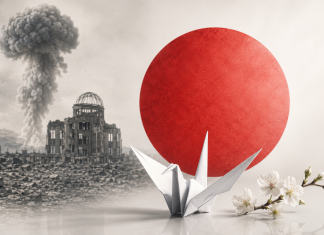
Japan Must Not Let Its Nuclear Taboo Erode
As the world remembers Hiroshima and Nagasaki, Japan faces a defining choice: preserve its non-nuclear principles and strengthen its moral leadership on nuclear disarmament, or dilute them at a moment when the nuclear threat remains dangerously real.

In Memoriam: Regulating Artificial Intelligence — Bibek Debroy’s Case for AI Governance, Revisited
Debroy and Sinha argue that unchecked AI threatens privacy and democratic norms, and that developing countries especially need coordinated regulation, transparency, and capacity-building to keep pace responsibly.

Latin America’s Energy Moment
As global energy markets shift, Latin America has a rare opportunity to leverage its resources, renewable energy and geopolitical stability to strengthen its place in the emerging economic order.

From Tiananmen to Gaza, and the Limits of a Rules-Based Order
Why did Tiananmen trigger global consequences while Gaza has not? An examination of power, international law and the credibility of the rules-based order.

Why Iran or anyone else should not have the bomb
Abolish nuclear weapons now: Why the myth of deterrence threatens global survival.

I used AI to navigate cancer. It gave me hope, but it couldn’t give...
A patient-scholar’s journey shows how AI tools can enhance health literacy and reduce anxiety during cancer treatment.
The new Iran deal is a monumental gamble. But Trump has earned the right...
The U.S. and Iran will sign a landmark agreement in Geneva, pivoting from military containment to economic and diplomatic engagement.

How Process Reforms Transformed India’s Investor Protection Fund
Public discourse on economic reforms often focuses on large interventions—new tax laws, major institutional restructuring, major privatization or other sweeping policy changes. While such...