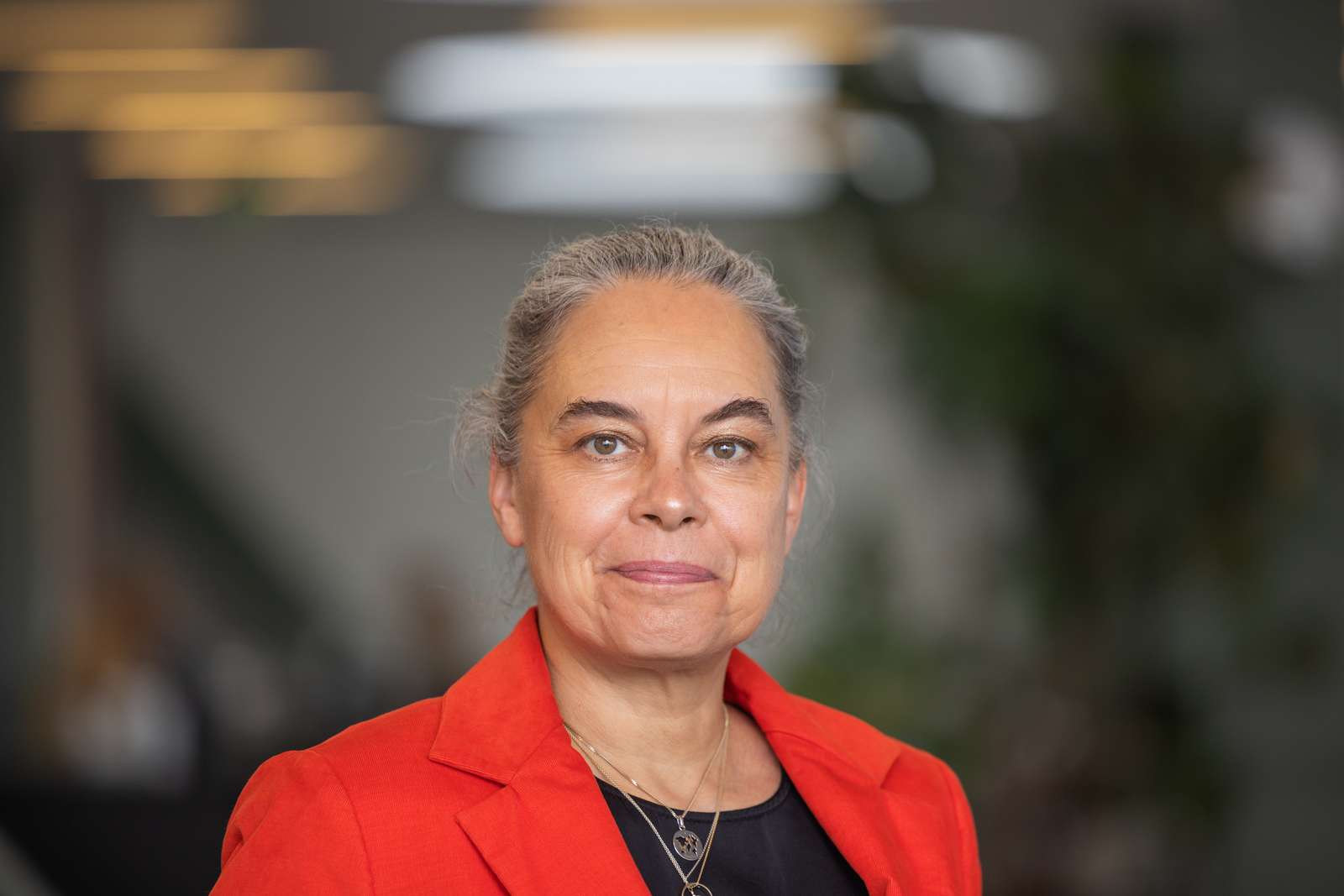
Anne Højer Simonsen is a Senior Vice President and Head of Climate Policy at Danish Industry.
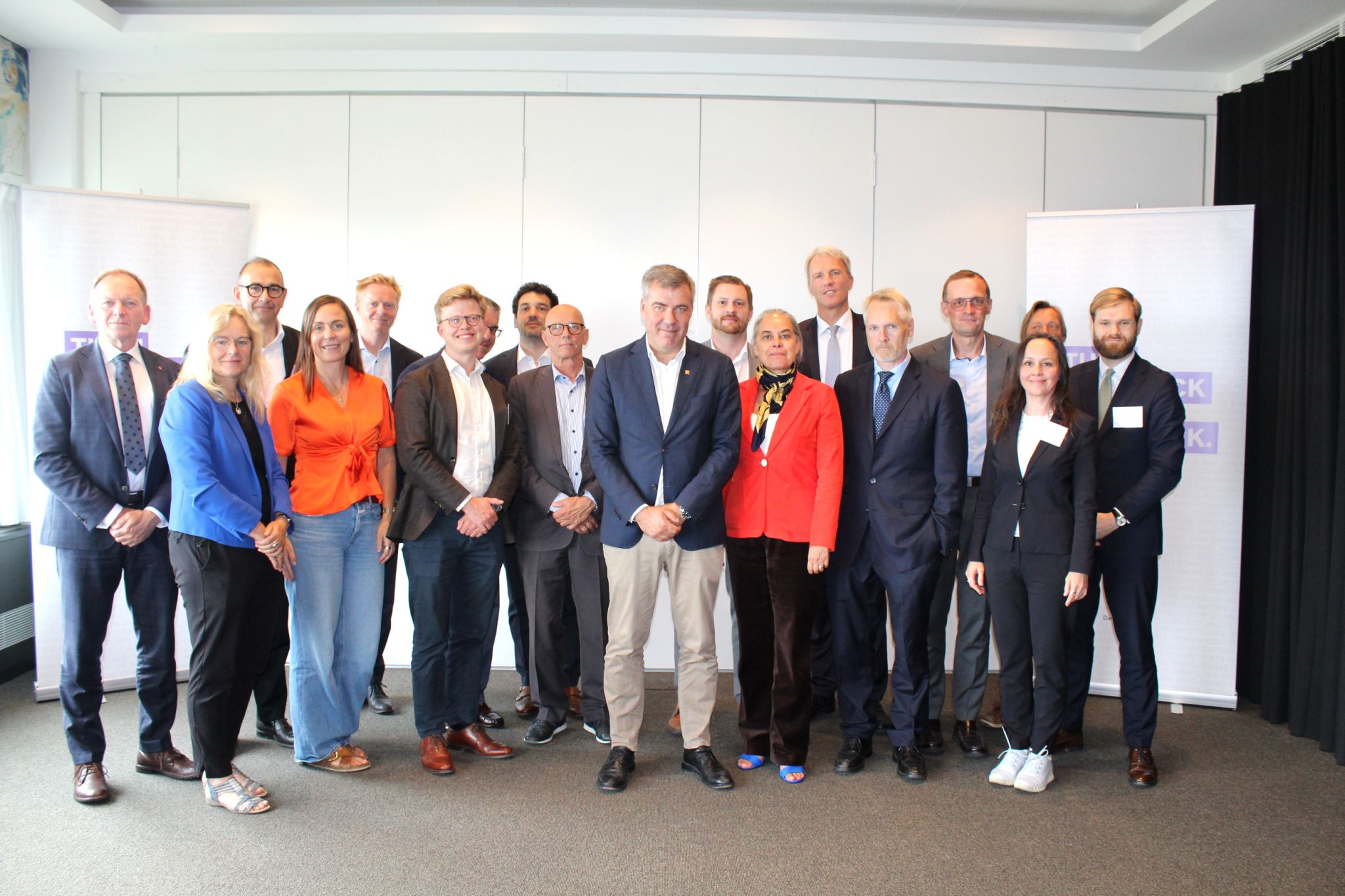
At a time when the European Union stands at a crossroads in defining its post-2030 climate trajectory, a strong message has emerged from the business community. As Head of Climate Policy at Danish Industry, I recently had the privilege of bringing together many of my counterparts from European business organisations in the city of Aalborg, Denmark.
Together, we represent over 430,000 companies across Germany, France, Ireland, Denmark, Sweden, Norway, and Finland. Our joint Aalborg Declaration, presented last week ahead of the informal meeting of EU environment and climate ministers in the city of Aalborg, Denmark, delivers a united voice: we fully support a strong 2040 climate target that is grounded in industrial feasibility.
From targets to tools
Let me be clear: European business is not dragging its feet on climate. On the contrary, many industries are already leading the global green transition. What we need now is a clear, coordinated, and credible plan that allows us as European businesses to invest and transition while staying competitive.
The European Commission’s 2 July proposal to reduce net greenhouse gas emissions by 90% by 2040, which was presented by Commissioner for Climate, Wopke Hoekstra, is an important milestone. But setting a target is only the beginning of the journey. To make it achievable for industries, we need enabling conditions that unlock investment, promote innovation, and ensure fair competition globally.
That means a stable, long-term investment climate—starting with effective implementation of existing policies like the Fit for 55 package, the Net Zero Industry Act, and the Emissions Trading System (ETS). These instruments must work together without overlap or delay. We also call for an annual EU-wide “stocktake” to assess whether we are delivering results—on climate, yes, but also on competitiveness and industrial resilience.
Technology neutrality must be a cornerstone of the EU’s climate architecture. From energy efficiency to renewables and nuclear energy to carbon capture and utilisation, all credible decarbonisation pathways should be treated equally. Each Member State must retain the right to shape its own energy mix—what matters is the result: emissions reduction, not ideological purity.
Crucially, we must reduce uncertainty. Industry operates on long timelines. Predictable rules, affordable energy prices, and functioning infrastructure are not optional—they are the foundation for climate investments. Not only for the climate transition but for a future innovative and competitive industrial base.
Turning ambition into investment
The EU’s climate leadership must lead by practice and prove that a transitioning business is also good business—and ensure that Europe remains a powerhouse of innovation and industry in a changing world. To do that, Europe must make the transition bankable. We need to de-risk private investment—through smarter regulation, reliable carbon pricing, and mechanisms that protect against carbon leakage. We therefore call for a structural review of the Carbon Border Adjustment Mechanism (CBAM) to ensure it effectively protects European exports and prevents loopholes such as resource shuffling.
If CBAM proves ineffective, the phase-out of free ETS allowances should be paused until viable alternatives are fully in place.
Another vital step is recognising the potential role of international high-quality carbon credits. We support a robust, high-integrity framework for integrating these credits into the EU’s compliance system. When used carefully and transparently, such credits can deliver cost-effective emissions reductions and channel climate finance to where it is needed most—without undermining domestic climate efforts. Furthermore, the EU should present clear initiatives for domestic carbon removals to scale up investments in a much-needed technology.
Finally, I would like to thank all our European sister business organizations—BDI (Germany), MEDEF (France), IBEC (Ireland), SN (Sweden), NHO (Norway), and EK (Finland)—for their close cooperation on this joint Aalborg Declaration. These major players in European industry are sending a strong message: a clear and predictable climate course is essential to reinforce Europe’s economic stability, competitiveness, and security—and this declaration helps underline exactly that.
Our declaration is an invitation to policymakers to work with us. The businesses we represent are fully committed and stand ready to invest, adapt, and innovate. But we need the right conditions in place—and the political courage to match our ambition. We must seize this moment to act boldly—and to prove that Europe’s green transition is still a competitive advantage.
The Tribune is committed to publishing a diversity of opinions. We’d like to hear from you. Send your articles to our email: opinion@merotribune.com.
Follow the Mero Tribune on Facebook and Twitter.


Advertisement
